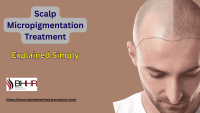
Hair loss can feel like a slow change or an abrupt shift, but either way, it often leads people to rethink how they look and feel about themselves. For many, the goal isn’t necessarily to regrow hair, but to restore a natural, balanced appearance that feels authentic. Over the years, cosmetic hair solutions have advanced in ways that focus more on visual improvement and less on invasive procedures. One option that continues to gain attention is scalp micropigmentation treatment, a technique designed to create the realistic appearance of hair follicles on the scalp.
Rather than altering how hair grows, this method enhances how hair looks, helping thinning or bald areas blend seamlessly with existing hair. As more people seek straightforward, low-maintenance options, understanding this approach has become an important part of exploring modern hair restoration choices.
Understanding the Basics of Scalp Micropigmentation
Scalp micropigmentation is a specialized cosmetic procedure that involves placing tiny pigment impressions into the upper layers of the scalp. These impressions are carefully designed to mimic the look of natural hair follicles, creating the illusion of density or a closely shaved hairstyle. When viewed as a whole, the scalp appears fuller and more defined.
What separates this from traditional tattooing is the level of precision involved. The depth, spacing, and tone of each pigment point are controlled to ensure a soft, natural look. A well-executed scalp micropigmentation treatment doesn’t stand out as a cosmetic procedure; instead, it quietly enhances the overall appearance of the hair.
Why Visual Hair Solutions Are Gaining Popularity
Many people are drawn to appearance-based hair solutions because they offer predictability. Hair regrowth treatments often require months of consistency, and results can vary depending on genetics and other factors. In contrast, scalp micropigmentation focuses on visual results that are noticeable soon after the sessions are completed.
Another reason for its growing appeal is simplicity. There’s no daily routine, no styling products, and no significant downtime involved. For individuals who want a clean, polished look without ongoing effort, a scalp micropigmentation treatment offers a practical alternative to more demanding hair loss solutions.
Who Is a Good Candidate for This Treatment?
This technique is versatile and can benefit a wide range of individuals. People experiencing thinning hair often use it to add the appearance of density, particularly around the crown or hairline. Those with more advanced hair loss may choose a scalp micropigmentation treatment to achieve a uniform, shaved-head look that appears intentional and balanced.
It is also commonly used to help reduce the visibility of scars from injuries or previous hair transplant procedures. By blending pigment into scar tissue, the contrast between skin and hair is softened. Because every scalp is unique, treatments are customized based on skin tone, hair color, and personal aesthetic goals.
What the Treatment Process Typically Involves
The process usually begins with a consultation, where the practitioner evaluates the scalp and discusses expectations. This step is essential for designing a natural hairline and selecting pigment shades that match existing hair.
During each session, pigment is applied in small, controlled impressions across targeted areas. Most people describe the sensation as mild and manageable. Multiple sessions are often recommended to gradually build density and refine details. This layered approach allows the scalp micropigmentation treatment to look realistic and well-balanced rather than flat or overly bold.
Healing time is relatively short. Mild redness may appear after a session, but it typically fades within a few days. Proper aftercare helps protect the pigment and supports even healing.
Why Experience and Technique Matter So Much
The quality of results depends heavily on the practitioner’s skill. Designing a natural-looking hairline requires an understanding of facial proportions, hair growth patterns, and how light interacts with the scalp. Poor technique can lead to uneven spacing or unnatural color tones.
Clinics that specialize in hair restoration often bring a higher level of expertise to this procedure. Centers such as Beverly Hills Hair Transplant in palm desert integrate scalp micropigmentation into a broader aesthetic approach, helping patients achieve results that look refined and natural rather than cosmetic.
Longevity and Maintenance Expectations
A common question is how long the results last. Scalp micropigmentation is considered long-lasting, but it is not entirely permanent. Over time, pigments may fade gradually due to sun exposure, skin type, and lifestyle factors. This fading usually happens evenly, allowing the appearance to remain natural as it softens.
Touch-up sessions every few years can help maintain clarity and definition. With proper care and realistic expectations, a scalp micropigmentation treatment can continue to enhance appearance for many years without frequent maintenance.
The Emotional Benefits of Visual Hair Restoration
While the physical change may be subtle, the emotional impact can be significant. Many people report feeling more confident in social and professional settings after treatment. Because the enhancement looks natural, others often notice a refreshed appearance without knowing exactly why.
This understated confidence boost is one of the reasons why scalp micropigmentation treatment continues to gain trust. It doesn’t aim to reverse hair loss, but instead reframes how it looks, giving individuals a greater sense of control over their appearance.
Conclusion: Is Scalp Micropigmentation Treatment Right for You?
Choosing how to address hair loss is a personal decision that should align with your lifestyle, expectations, and long-term goals. A scalp micropigmentation treatment offers a reliable option for those seeking immediate visual improvement without surgery or ongoing treatments. By focusing on appearance rather than regrowth, it delivers predictable, natural-looking results that adapt to different stages of hair loss.
When performed by experienced professionals, the outcome can be subtle yet meaningful. As awareness continues to grow, scalp micropigmentation treatment stands out as a thoughtful blend of technique and artistry, helping individuals feel more comfortable with how they look and more confident in their everyday lives.